Our general cost of living guide covers the baseline: rent, food, transport, and the honest spectrum of what life here costs. This page exists because digital nomads carry a few line items that guide doesn't, coworking memberships, backup internet, and the DTV-specific costs that come with being here on remote income rather than a pension or a local job.
Coworking Spaces in Chiang Mai
Nimman has the highest concentration of coworking spaces, unsurprising given the demographic. Punspace and CAMP are the two names most nomads mention first, both with hot-desk and dedicated-desk tiers. Day passes typically run in the 200-400 THB range, with monthly hot-desk memberships in the 3,000-5,000 THB band and dedicated desks higher. [NEEDS VERIFICATION: current 2026 pricing at Punspace and CAMP, both have historically adjusted rates and it's worth checking their sites directly before budgeting]
Plenty of nomads skip coworking entirely and work from home plus cafes. Chiang Mai has a genuinely deep cafe culture with reliable WiFi in Nimman, Santitham, and the Old City, so this is a legitimate budget-saving option, not a compromise.
Internet and Connectivity
Home fibre internet in a standard condo is fast and cheap by Western standards, most buildings run AIS Fibre or True Online, with typical residential plans in the 590-790 THB monthly range for 300Mbps-1Gbps. [NEEDS VERIFICATION: current 2026 AIS/True residential fibre pricing] Some older or rural properties still run on slower connections, worth testing before signing a lease if your work depends on video calls.
For backup and travel, a local SIM with a data package (AIS, True, or dtac) or a 5G pocket WiFi covers most needs. Many nomads keep a second SIM specifically as a failover for coworking or home outages, useful during the rainy season when outages are more common.
Housing for Remote Workers
Nimman and Santitham are the default choice for nomads who want walkable cafes and coworking on the doorstep, with 1-bed condos typically running 8,000-22,000 THB monthly. Old City and Jed Yod run cheaper with a more local feel, trading some walkability to coworking for lower rent. See our full neighbourhoods guide for the complete breakdown of what each area actually offers.
The Visa Side
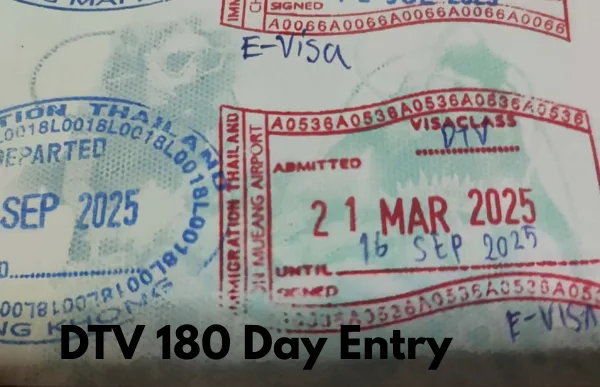
Most digital nomads here run on the DTV (Destination Thailand Visa): 500,000 THB in savings proof, 180 days per entry with one 180-day extension, 5-year validity. It's not free (there are embassy and document costs to factor in before arrival), but it removes the visa-run cycle that used to define nomad life here. Budget for the application costs separately from your monthly living budget, they're a one-off, not recurring.
Three Realistic Budget Tiers
| Line Item | Bare-Bones | Comfortable | Premium |
|---|---|---|---|
| Housing | 8,000-12,000 THB | 15,000-22,000 THB | 25,000-40,000 THB |
| Coworking/internet | 0-1,000 THB (cafes) | 3,000-5,000 THB | 6,000-10,000 THB |
| Food | 6,000-9,000 THB | 10,000-15,000 THB | 18,000-25,000 THB |
| Transport | 1,500-2,500 THB | 2,500-4,000 THB | 4,000-8,000 THB |
| Total (approx.) | 25,000-35,000 THB | 40,000-60,000 THB | 65,000-100,000+ THB |
Health insurance, visa costs, and one-off setup costs are not included in the monthly figures above. See our insurance guide for that line item separately.
Key Takeaways
Key Takeaways
- This page adds nomad-specific costs on top of our general cost of living guide, it doesn't replace it.
- Coworking is optional in Chiang Mai. Cafe culture and reliable home fibre make working from home a genuine option, not a compromise.
- Nimman and Santitham cost more but put coworking and cafes on your doorstep. Old City and Jed Yod cost less with a more local feel.
- Most nomads run on the DTV visa: 500,000 THB savings proof, 180-day stays, 5-year validity.
- Budget 25,000-100,000+ THB monthly depending on tier, verify current coworking and internet pricing directly before committing to a plan.
Frequently Asked Questions
How much does it cost a digital nomad to live in Chiang Mai?
A bare-bones nomad budget runs roughly 25,000-35,000 THB monthly (USD 750-1,050). A comfortable working budget with a proper apartment and coworking membership runs 40,000-60,000 THB (USD 1,200-1,800). A premium setup with a Nimman condo, dedicated coworking desk, and regular dining out runs 65,000-100,000+ THB (USD 2,000-3,000+).
Do I need coworking space in Chiang Mai or can I work from home?
Plenty of nomads work entirely from home with a good fibre connection and a cafe as backup. Coworking makes more sense if you need reliable meeting rooms, a fixed routine to separate work from living space, or the community. It is a preference, not a necessity, unlike in cities with unreliable home internet.
What visa do digital nomads use in Chiang Mai?
Most use the DTV (Destination Thailand Visa), which requires 500,000 THB in savings proof, runs 180 days per entry with one 180-day extension, and is valid for 5 years. Some still use tourist visas or visa-exempt entry for shorter stays, but the DTV is built specifically for remote income earners.
Guru Tip
Before committing to a 6-month or 12-month lease, do a week on a short stay near Nimman and actually test your workflow, video calls at your planned working hours, a walk to a coworking space, a weekday cafe session. What looks perfect on a map can have a dead WiFi spot or a construction site next door that only shows up once you're there.