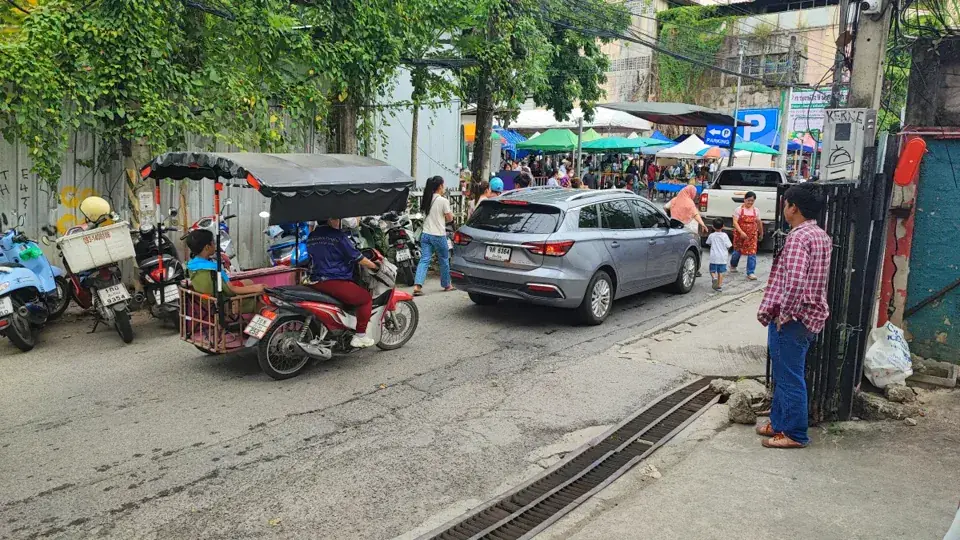
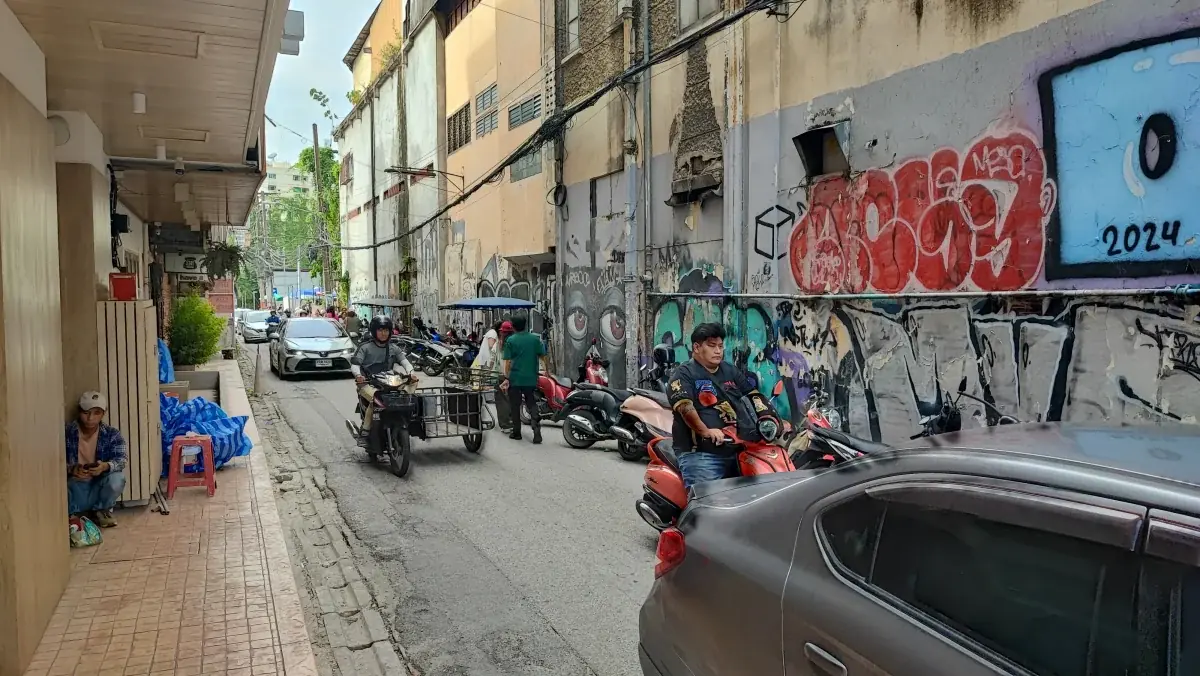
The cost of living in Chiang Mai varies dramatically based on lifestyle choice. You can live comfortably on 800 USD (26,400 THB) monthly eating at local markets, taking songthaews, and renting modest Thai accommodation. You can also spend 3,000+ USD (99,000 THB) monthly in luxury villas with private drivers. Neither is correct or incorrect. Both are realistic depending on what you value and how you've chosen to live.
The fundamental difference between affordable and expensive Chiang Mai is not location. It is choice. Choosing local restaurants over tourist venues. Choosing motorbike over Grab. Choosing Thai neighbourhood over international enclave. These choices stack. Small differences compound into entirely different budgets.
Budget Living (USD 800 (26,400 THB)/month)
Sustainable, dignified living with deliberate choices.
You eat well. You have reliable internet. You live in a clean, safe area. You are not penny-pinching. You are simply making deliberate choices about what matters. Housing costs 300-450 USD (9,900-14,850 THB) for a one-bedroom apartment in a Thai neighbourhood. Food costs 150-200 USD (4,950-6,600 THB) if you eat primarily at local markets. Transport costs 60-80 USD (2,000-2,650 THB). Utilities and internet cost 50-70 USD (1,650-2,300 THB). Basic health insurance costs 80-120 USD (2,650-3,950 THB). Add 100-200 USD (3,300-6,600 THB) for entertainment and buffer.
- Housing: USD 300-450 (9,900-14,850 THB)
- Food: USD 150-200 (4,950-6,600 THB)
- Transport: USD 60-80 (2,000-2,650 THB)
- Utilities: USD 50-70 (1,650-2,300 THB)
- Health insurance: USD 80-120 (2,650-3,950 THB)
Balanced Living (USD 1,500 (49,500 THB)/month)
Comfortable, sustainable living with genuine pleasure.
Housing costs 400-600 USD (13,200-19,800 THB) for a nicer one-bedroom or two-bedroom place. Food costs 250-350 USD (8,250-11,550 THB) with regular restaurant visits alongside market shopping. Transport costs 80-120 USD (2,650-3,950 THB). Utilities and reliable fast internet cost 70-100 USD (2,300-3,300 THB). Health insurance and occasional dental costs 120-150 USD (3,950-4,950 THB). Social activities, entertainment, and buffer add another 300-400 USD (9,900-13,200 THB). You live well without luxury. You have freedom and comfort indefinitely.
- Housing: USD 400-600 (13,200-19,800 THB)
- Food: USD 250-350 (8,250-11,550 THB)
- Transport: USD 80-120 (2,650-3,950 THB)
- Utilities: USD 70-100 (2,300-3,300 THB)
- Healthcare: USD 120-150 (3,950-4,950 THB)
- Entertainment/Buffer: USD 300-400 (9,900-13,200 THB)
Premium Living (USD 2,500+ (82,500 THB)/month)
Bangkok-quality life at half Bangkok cost.
Housing costs 900-1,400 USD (29,700-46,200 THB) for a serviced apartment or villa in a desirable area. Food costs 400-600 USD (13,200-19,800 THB) with frequent restaurant visits and international groceries. Transport costs 200-300 USD (6,600-9,900 THB) for car hire or private driver. Utilities, fast internet, and streaming services cost 100-150 USD (3,300-4,950 THB). Comprehensive health insurance costs 200-350 USD (6,600-11,550 THB). Entertainment and lifestyle spending adds another 400-600 USD (13,200-19,800 THB). You want for nothing.
- Housing: USD 900-1,400 (29,700-46,200 THB)
- Food: USD 400-600 (13,200-19,800 THB)
- Transport: USD 200-300 (6,600-9,900 THB)
- Utilities: USD 100-150 (3,300-4,950 THB)
- Healthcare: USD 200-350 (6,600-11,550 THB)
- Entertainment/Lifestyle: USD 400-600 (13,200-19,800 THB)
What Actually Costs Money
Housing is the largest variable. Choosing a Thai neighbourhood over Nimman saves up to 400 USD (13,200 THB) monthly, depending on the unit. Choosing motorbike over regular Grab saves 100-150 USD (3,300-4,950 THB) monthly. Choosing local restaurants over tourist venues saves 150-200 USD (4,950-6,600 THB) monthly. These choices are not about suffering. They are about alignment.
- Housing. Thai neighbourhood vs Nimman = up to 400 USD (13,200 THB) monthly difference
- Transport. Motorbike vs Grab = 100-150 USD (3,300-4,950 THB) monthly difference
- Food. Local vs tourist venues = 150-200 USD (4,950-6,600 THB) monthly difference
- Internet. Standard vs premium = 20-30 USD (650-1,000 THB) monthly difference
Frequently Asked Questions
How much does it actually cost to live in Chiang Mai?
USD 800-1,500 (26,400-49,500 THB) monthly for comfortable living, or USD 2,500+ (82,500 THB) for premium convenience. Budget varies based on neighbourhood choice (Thai area vs Nimman), transport (motorbike vs Grab), and dining (local markets vs restaurants). Housing is the largest variable: up to 400 USD (13,200 THB) difference between areas, with Nimman one-bedrooms running 300-700 USD (8,000-22,000 THB).
Can I live on USD 500-700 (16,500-23,100 THB) per month?
Yes, but only with deliberate choices: Thai neighbourhood, motorbike transport, eating at local markets, no alcohol, minimal entertainment. This is disciplined living, not deprivation. Most expats find USD 800-1,000 (26,400-33,000 THB) more sustainable for dignity and social life.
What's the biggest cost difference between neighbourhoods?
Choosing a Thai neighbourhood over Nimman saves up to 400 USD (13,200 THB) monthly on housing alone, depending on the unit. Nimman one-bedrooms run 300-700 USD (8,000-22,000 THB); Thai neighbourhoods run 300-450 USD (9,900-14,850 THB). The trade-off is Thai-speaking locals and fewer English speakers.
Is healthcare expensive in Chiang Mai?
No. Basic health insurance costs 80-120 USD (2,650-3,950 THB) annually. Clinic visits are 30-50 USD (1,000-1,650 THB). Dental cleaning is 15-25 USD (500-800 THB). Hospital stays average 500-2,000 USD (16,500-66,000 THB) for serious cases. Many expats budget 80-120 USD (2,650-3,950 THB) monthly for health and insurance as a safety buffer.
Does cost of living keep increasing?
Yes, gradually. Inflation in Thailand runs 2-4% annually. Chiang Mai has seen steady rent increases in popular areas (Nimman, Riverside) but Thai neighbourhoods remain stable. Budget conservatively: assume 5-10% annual increase in your calculations.
Can I afford to live here on a pension?
Yes. The Thai retirement visa requires 800,000 THB (~USD 32,000) or 65,000 THB (~USD 2,000) monthly income. This covers USD 2,000+ monthly living costs comfortably. Many retirees live on less; most prefer the USD 2,000-2,500 range for dignity and activities. My free Ultimate Chiang Mai Retirement Guide breaks the budgeting down further, no email required.