Ask any long-term expat parent in Chiang Mai what actually decides where a family lives, and the honest answer usually isn't the condo view or the coffee shops. It's the school run. Once a child is enrolled, everything else in the household budget bends around that decision: the neighbourhood, the car, the visa pathway, the annual leave calendar. School fees are, for most international families here, the single largest recurring cost in the household, ahead of rent, ahead of health insurance, often ahead of both combined.
What makes Chiang Mai unusual is the sheer density of options. A city of roughly 1.2 million in the metro area supports more than twenty international and bilingual schools, a legacy of decades of missionary, NGO and long-term expat settlement that built out an education infrastructure most cities this size simply don't have. That's good news in theory: more choice, more competition, more price points. In practice it means families arriving cold face a wall of near-identical marketing pages, vague "contact us for fees" buttons, and fee schedules that change year to year without much public notice.
This guide pulls together the published fee ranges, curriculum, age coverage and campus character of every major school currently operating in and around Chiang Mai, plus the costs that don't show up on the headline tuition line. It's long on purpose. Twenty minutes with this page should save you several afternoons of chasing PDFs and WhatsApp replies from admissions offices.
The Full Fee Table
Figures below are estimated annual tuition in Thai Baht (THB), spanning youngest to oldest year group at each school. As a rough orientation only, 100,000 THB is approximately 2,750 USD or 4,250 AUD at 2026 exchange rates (unverified, check current rates before budgeting). These are tuition only, not the full cost of attendance, see the "What's on Top of Tuition" section below for everything else.
| School | Curriculum | Ages | Est. Annual Tuition (THB) |
|---|---|---|---|
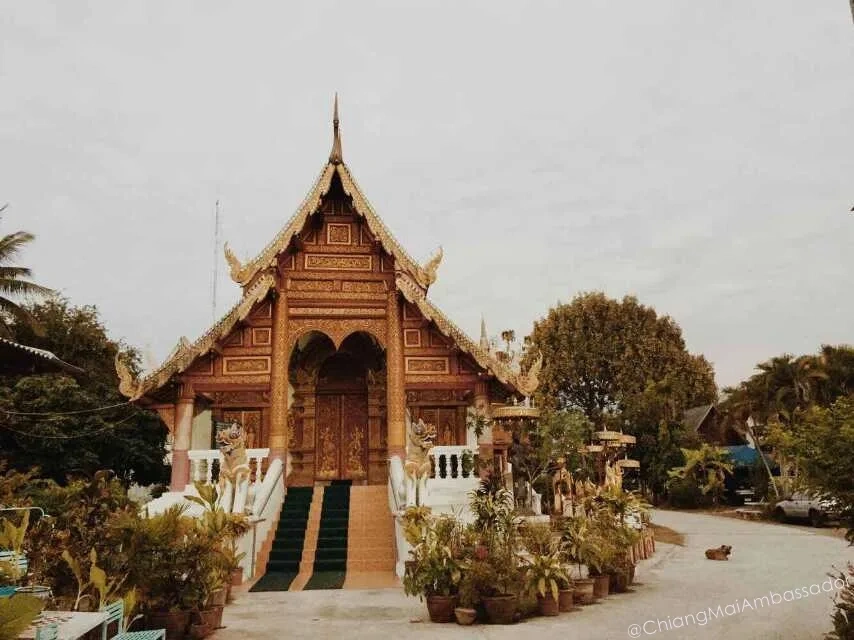
| Ambassador Bilingual Academy (ABA) abachiangmai.com | Bilingual (Thai/US Blend) | 2–18 | 130,000–210,000 |
| Ambassador Bilingual School (ABS) abs.ac.th | Bilingual (Thai/US) | 2–18 | 135,000–238,000 |
| American Pacific Intl. School (APIS) apis.ac.th | American / IB MYP+DP | 2–18 | 250,650–524,800 |
| Americana Chinese Intl. School (ACIS) acis.ac.th | US Common Core / Chinese | 2–18 | 210,000–394,800 |
| Bright Seeds Intl. Kindergarten brightseeds.ac.th | UK EYFS (Early Years) | 1.5–6 | 172,000–260,000 |
| British Concordance Intl. School (BCIS) bcisschool.ac.th | British (Cambridge / Pearson) | 2–18 | 196,000–350,000 |
| Cariad International School cariad.ac.th | British (Finnish/UK Early Years, Cambridge onward) | 2–18 | 236,000–448,000 |
| Chiang Mai Cedar Intl. School (CCS) chiangmaicedar.ac.th | US Standards / Christian | 3–18 | 180,000–380,000 |
| Chiang Mai Intl. School (CMIS) cmis.ac.th | American (AP) | 3–18 | 341,700–580,200 |
| Esara International School esara.ac.th | Montessori / Integrated | 1.5–18 | 495,900–750,000 |
| Lanna International School (LANNA) lannaist.ac.th | British (Cambridge A-Levels) | 2–18 | 220,000–803,000 |
| Meritton British Intl. School merittonbritish.ac.th | British / Values-Based (VbE) | 2–18 | 212,000–440,000 |
| Mill Hill Intl. School Thailand millhillthailand.ac.th | British Independent | 3–14 | 447,300–642,600 |
| Nakornpayap Intl. School (NIS) nis.ac.th | American | 3–18 | 290,000–500,000 |
| Panyaden International School panyaden.ac.th | British / IB Diploma | 2–18 | 300,000–620,000 |
| Pathfinders / Pathways Community pathfinderschiangmai.com | Project-Based / Alternative | 6–14 | ~179,000 |
| Prem Tinsulanonda Intl. School (PTIS) ptis.ac.th | Full IB Continuum | 3–18 | 370,000–820,000 |
| SBS Intl. School Chiangmai (SIBS) sbs.ac.th | Cambridge / Bilingual | 2–18 | 215,000–365,000 |
| SISB Chiang Mai sisb.ac.th | Singapore / British | 2–18 | 324,300–564,300 |
| Unity Concord Intl. School (UCIS) ucis.ac.th | American | 2–18 | 201,600–386,400 |
| Varee Chiangmai Intl. School (VCIS) varee.ac.th | British / Thai Stream | 3–18 | 200,000–524,000 |
| Windfield French Intl. School chiangmai.windfield.ac.th | French AEFE / UK | 2–11+ | 220,000–235,000+ |
Methodology and caveat: these ranges were compiled from published rate cards, school-comparison aggregators and school websites as of September 2026. They are not independently confirmed line by line against each school's current prospectus, and Chiang Mai international schools typically revise fees every academic year, sometimes with little public notice. Treat every figure here as a starting point for a phone call, not a number to build a visa or relocation budget around without verification.
Reading the Fee Bands
Twenty-two schools is a lot to hold in your head at once, so it helps to think in three rough tiers rather than school by school.
Entry tier: 130,000–260,000 THB
This band is dominated by the bilingual Thai-English schools: Ambassador Bilingual Academy, Ambassador Bilingual School, and to a lesser extent Bright Seeds and Cariad at early years level. These schools blend the Thai National Curriculum with an English-medium track, which keeps costs down because they're not running a full Cambridge or IB apparatus, and because a large share of the student body is Thai nationals rather than fee-paying international families. If your child needs genuine Thai fluency alongside English, and you're not fixed on returning to a Western university system straight after graduation, this tier is worth serious consideration. Pathfinders also sits near this band at roughly 179,000 THB, though it's a different animal entirely: project-based, alternative, and aimed at families who want their kids out of a conventional classroom model altogether.
Mid tier: 260,000–450,000 THB
The largest cluster of schools sits here: APIS, ACIS, BCIS, Chiang Mai Cedar, Meritton, NIS, SBS/SIBS, UCIS, VCIS, and Windfield at secondary level all land somewhere in this range for at least part of their age span. This is effectively the mainstream international-school price point in Chiang Mai: full English-medium instruction, an internationally recognised curriculum (British, American, or a Cambridge-aligned hybrid), and a genuinely international staff and student mix. Most families relocating from a Western country with a mid-range budget end up shopping in this tier.
Premium tier: 450,000–820,000 THB
Mill Hill, Esara, CMIS (at the top end), Panyaden (secondary IB Diploma years), LANNA (senior years), PTIS, and SISB (secondary) sit here. This tier generally buys you smaller class sizes, more established university placement records, boarding options in some cases, and facilities that would be unusual outside a handful of Southeast Asian capital cities: Olympic pools, dedicated performing arts centres, organic farms, air-filtered classrooms. Prem Tinsulanonda (PTIS) is the standout here as the only school in Chiang Mai authorised to run the full IB continuum (PYP, MYP, DP and the Career-related Programme), which matters if you want your child on one consistent framework from age 3 to 18.
School Profiles
Short profiles below, grouped loosely by curriculum family so you can compare like with like. Confirm current campus location and prospectus directly, several Chiang Mai schools have relocated, merged, or rebranded in the last five years.
Bilingual Thai-English
Ambassador Bilingual Academy (ABA) blends the Thai National Curriculum with a Western instructional approach, aimed at families wanting an entry-level dual-language pathway. Small-group instruction, dedicated language labs, and an activity-based early-years programme. Ambassador Bilingual School (ABS) is the longer-established sister campus in Saraphi, running Nursery through Grade 12 with full athletic fields and science facilities, and a dual-diploma structure that lets graduates move into either Thai or international higher education. Varee Chiangmai International School (VCIS) runs the National Curriculum for England through to IGCSE and A-Level, but as the international branch of the larger Varee Chiangmai School, keeping a strong Thai-stream option and local cultural integration alongside the English track.
American Curriculum
American Pacific International School (APIS) runs two campuses, a city primary campus and a boarding-capable countryside campus in Hang Dong, blending American curriculum with IB Primary Years Programme elements. Strong on residential community and outdoor education. Americana Chinese International School (ACIS) adds daily Mandarin instruction on top of a US Common Core base, positioning graduates for both Western and Asian academic and professional tracks. Chiang Mai Cedar International School (CCS), formerly Cedar Christian School, keeps class sizes small within a values-based, Christian-community American standards framework. Chiang Mai International School (CMIS), founded in 1954, is the city's oldest international school and probably its best-known name among long-term expats, an American college-preparatory programme near the Old City with a strong Advanced Placement offering and a long track record of global university placements. Nakornpayap International School (NIS), on the north side since 1993, runs a similarly broad AP-backed American programme with full athletics and a strong extracurricular calendar. Unity Concord International School (UCIS) delivers a comparable American Common Core plus AP track on the east side of the city at one of the more accessible price points in this curriculum family.
British Curriculum
British Concordance International School (BCIS), part of the Ambassador Education Group, runs the National Curriculum for England from age 2 to 18 in Hang Dong, leading to IGCSE and A-Level (or BTEC vocational routes), with small classes and dedicated pastoral tracking. Lanna International School (LANNA), established in 1993 and one of the largest schools on this list at 800+ students, follows the Cambridge International Curriculum through to A-Levels and consistently posts some of the strongest exam results in the country. Meritton British International School pairs the English National Curriculum with an accredited Values-Based Education framework, targeting Cambridge IGCSE outcomes alongside a stated focus on ethics and global citizenship. Mill Hill International School Thailand, the historic UK institution's first overseas campus, opened in Doi Saket with a traditional British independent model and facilities pitched well above the Chiang Mai norm, though currently capped at ages 3–14. SISB Chiang Mai brings a Singapore-model Mathematics and Science emphasis combined with the UK National Curriculum in a trilingual (English, Mandarin, Thai) setting.
IB and IB-Aligned
Prem Tinsulanonda International School (PTIS) is the only Chiang Mai school authorised to run the complete IB continuum, PYP through DP and CP, on a 100-acre boarding and day campus in Mae Rim with facilities (Olympic pool, organic farm, tennis academy) that put it in a category of its own locally. Panyaden International School, the eco-school in Hang Dong famous for its bamboo architecture, runs UK curriculum and EYFS in the early years before moving into IB Middle Years and the IB Diploma in secondary, all threaded through Buddhist principles and environmental ethics. American Pacific International School (APIS) also layers IB MYP elements into its American base, noted above.
Early Years Specialists
Bright Seeds International Kindergarten in Nimman runs the UK Early Years Foundation Stage framework exclusively for ages 1.5 to 6, prioritising social-emotional development and sensory play over early academics. It's worth a look if you're not yet committed to a K-12 school and want a gentler, play-first start before locking in a longer-term curriculum choice.
Also Worth Knowing
Cariad International School, in Nong Kwai, Hang Dong, opened in August 2025, making it the newest entrant on this list. It blends Finnish early-years pedagogy with the British curriculum from Pre-Nursery through to Cambridge IGCSE and A-Level (Year 13), covering the full 2-18 age range rather than early years alone, on a woodland campus it markets as "a school within nature." Its official 2026/2027 fee schedule runs 236,000 THB (Pre-Nursery to Kindergarten) up to 448,000 THB (Year 12-13, A-Level), plus a 60,000 THB new-student enrolment fee, 3,000 THB application fee, and a 39,500 THB second-child enrolment fee. Sibling discounts apply: 10% off tuition for a second child, 15% for a third. Being newly opened, it doesn't yet have an exam-results track record the way LANNA or CMIS do, worth factoring in if a proven university-placement history matters to your decision, though it's also the reason it may be more open to negotiating placement for early cohorts.
Alternative, Montessori and Niche
Esara International School, grown from the former Chiang Mai Montessori School, runs authentic Montessori through the early years before transitioning into an inquiry-based, self-directed secondary model on an eco-focused campus with agricultural learning built in, it's also one of the most expensive schools on this list. Pathfinders / Pathways Community is the true outlier: no fixed classroom structure, real-world project work, popular with digital-nomad and progressive-education families, and priced well below the international-school norm. Windfield French International School delivers accredited French Ministry of Education (AEFE) standards with a UK option layered in, trilingual French-English-Thai, aimed squarely at French expatriate families though open to anyone chasing multilingual fluency, currently serving ages 2 to 11+.
SBS International School Chiangmai (SIBS), near Chiang Mai University, deserves its own mention as a flexible middle ground: Cambridge curriculum with a genuine bilingual Thai-immersion stream running alongside the full-English track, letting families choose the level of Thai integration rather than being locked into one model.
Class Sizes, Facilities and What They Actually Mean
Marketing pages love the word "small classes," and almost every school on this list uses it. It's worth pushing past the phrase and asking for the real number, because the range across Chiang Mai is wide. At the smaller end, BCIS, Meritton, Cariad and Bright Seeds all report classes in the 12-18 student range across most year groups, which genuinely changes the amount of individual attention a teacher can give, particularly for a child who needs EAL support or has a learning difference. At the larger end, some of the bigger American-curriculum schools run closer to 22-26 per class in the upper grades, still reasonable by international standards but a meaningfully different classroom dynamic. Ask for the actual student-teacher ratio by year group, not just the school-wide average, since early years and senior secondary often differ substantially from the middle grades.
Facilities are the other place marketing outpaces reality, and also the place where the fee gap between tiers becomes most visible in person. Premium-tier campuses like PTIS, Mill Hill, Esara and CMIS typically have dedicated performing arts buildings, multiple sports fields or courts, and science labs built for a full secondary practical curriculum, not just a converted classroom. Mid-tier schools generally have solid but shared-use facilities: one multipurpose hall doing double duty as gym, assembly space and event venue, one or two labs shared across year groups. Entry-tier bilingual schools tend to be leanest on standalone facilities, though this varies more by individual campus age than by curriculum type. None of this is a dealbreaker on its own, a school with modest facilities and excellent teaching will outperform the reverse, but it's a fair question to ask directly on a campus tour rather than infer from photos, since prospectus photography reliably shows the newest building on campus regardless of how representative it is.
Boarding Options
Full boarding is genuinely rare in Chiang Mai compared to Bangkok or Phuket, but it exists at a handful of campuses and is worth flagging separately since it changes the fee structure substantially. Prem Tinsulanonda (PTIS) runs the most established boarding programme in the region on its 100-acre Mae Rim campus, with dedicated residential accommodation built into the fee structure rather than bolted on. American Pacific International School (APIS) offers boarding at its Main Campus on Hangdong-Samoeng Road alongside its day-school Primary Campus, a useful option for families based outside Chiang Mai altogether, or for parents who travel heavily for work and want a structured residential environment for their teenager. Per APIS's own 2026-2027 fee structure, boarding is charged as a separate residential fee on top of day tuition, not instead of it: weekly boarding (Monday morning to Friday evening, meals included) runs roughly 267,800-305,500 THB annually depending on grade, and full boarding roughly 337,800-375,500 THB annually. A Grade 12 full-boarding student, for example, is looking at day tuition of 524,800 THB plus a further 375,500 THB in boarding fees, north of 900,000 THB a year before extras. Confirm the exact structure and what's included (meals, laundry, weekend activities, airport transfers) directly with each school, since "boarding fee" means different things at different schools, and the gap between weekly and full boarding is larger than it first appears.
Application Timeline and Process
Most Chiang Mai international schools run an August-to-June academic year mirroring the Northern Hemisphere calendar, with the main admissions cycle running roughly October through May for the following August intake. That said, because international demand fluctuates and mid-year moves are common in the expat community, most schools genuinely do accept applications and assessments year-round, subject to space. A realistic process looks like this: submit an application and pay the application fee, sit an age-appropriate assessment (academic testing for older children, a play-based observation for early years), attend a family interview, receive an offer, then pay the entrance/registration fee and deposit to secure the place. Budget 4-8 weeks from first enquiry to a confirmed seat at most schools, longer at the more selective premium-tier campuses, and longer still if you're applying for one of the more popular year groups (Reception/Kindergarten and the transition into Year 7/Grade 6 tend to be the most competitive entry points across the city).
If you're relocating on a visa pathway tied to your child's enrolment, such as certain long-term visa categories that reference school enrolment as supporting evidence, get the enrolment confirmation and fee receipt in writing early. Immigration paperwork timelines and school admissions timelines don't always move at the same pace, and a written enrolment confirmation is usually enough to keep both processes moving in parallel. As with all visa matters, verify current requirements directly with Thai Immigration rather than relying on a school's general guidance, since visa rules are outside any school's area of expertise.
What's on Top of Tuition
The headline tuition figure in the table above is the start of the conversation, not the end of it. Every school on this list layers additional charges on top, and the gap between "advertised tuition" and "what actually left your bank account by August" routinely runs 15-30% higher. Budget for the following before you sign anything:
- Application fees: typically a non-refundable 5,000 THB to cover assessment testing and file processing, due when you submit the application, before any decision on acceptance.
- Entrance / placement / registration fees: a one-off, non-refundable charge on acceptance to secure the seat, usually 50,000-150,000 THB. Premium IB and UK-branch campuses sit at the top of this range.
- Tuition / security deposits: refundable deposits, typically 20,000-50,000 THB, held against damage, unreturned items, or late withdrawal notice. Confirm the refund conditions in writing.
- Capital improvement / development fees: an annual or one-off building-fund contribution, commonly 10,000-30,000 THB per year, that goes toward facility maintenance, IT upgrades and campus development. Often billed alongside tuition and non-negotiable.
- English as an Additional Language (EAL/ELL) support: 20,000-60,000 THB per term for children who need dedicated language intervention to keep pace in an English-medium classroom. Worth asking about upfront if English isn't your child's strongest language.
- Catering and lunch plans: 15,000-35,000 THB annually, mandatory at some schools, optional at others, varying by age group and meal plan.
- Uniforms, books and technology: uniforms, PE kits, textbooks, and BYOD software licensing typically add 10,000-25,000 THB per student per year.
- Transportation: optional door-to-door or hub bus services, 25,000-60,000+ THB annually depending on distance from campus, a real factor in whether you can live outside Hang Dong or Mae Hia and still make the school run manageable.
- Examination fees: external Cambridge IGCSE, A-Level, AP, or IB Diploma registration charges in the exam years (roughly Grades 10-12 / Years 11-13), 15,000-50,000 THB in the exam year itself.
Ask every school for the complete fee schedule, not just the tuition line, before comparing. Two schools with nearly identical headline tuition can end up tens of thousands of Baht apart once development fees, EAL support and transport are added, and it's the accumulated extras, not the tuition, that most often blow out a family's first-year school budget.
Budgeting by Family Size
Rough worked examples, tuition only, to give a sense of scale before extras. Actual figures depend entirely on which school and year group, treat these as orientation, not a quote.
| Scenario | Entry tier (2 kids) | Mid tier (2 kids) | Premium tier (2 kids) |
|---|---|---|---|
| Primary-age tuition, annual | ~280,000 THB | ~600,000 THB | ~1,000,000 THB |
| Secondary-age tuition, annual | ~400,000 THB | ~800,000 THB | ~1,400,000 THB |
| Plus extras (15-30%) | +45,000-85,000 THB | +90,000-180,000 THB | +150,000-300,000 THB |
Two children at mid-tier secondary schools, extras included, realistically lands a family near 900,000-1,000,000 THB a year in school costs alone. That's the number that should be sitting alongside rent and health insurance in your relocation spreadsheet before you commit to a neighbourhood or a visa pathway.
Choosing a Curriculum
Cost aside, curriculum is the decision families most often get wrong by defaulting to "whatever's closest." A few practical rules of thumb:
- Planning to return to a specific country's university system? Match the curriculum: British (IGCSE/A-Level) for UK/Commonwealth-bound students, American (Common Core/AP) if heading back to the US, IB if you want maximum flexibility across multiple countries and haven't fixed a destination.
- Uncertain how long you'll stay in Thailand? IB and Cambridge-based programmes transfer more cleanly between countries than a purely American state-aligned track, worth weighing if a further international move is plausible.
- Want genuine Thai fluency? Bilingual schools (ABA, ABS, VCIS, the SIBS bilingual stream) build this in structurally. A fully international school with Thai as a subject, not a medium of instruction, won't get you there.
- Child has additional learning needs? Ask directly and early about EAL support, learning-support staffing ratios, and whether the school accepts students requiring individualised education plans. Not every Chiang Mai school is resourced for this, and it's a harder conversation to have after enrolment than before.
Why Hang Dong and Mae Hia
Several of the schools above, including BCIS, APIS, Meritton, LANNA, Panyaden and Mill Hill, sit in or within easy driving distance of Hang Dong and neighbouring Mae Hia, which is the direct reason those districts have become the default neighbourhood for expat families with school-age children. Spacious housing stock, a growing expat-family community, and proximity to multiple campuses combine to make the school run manageable in a way it simply isn't from, say, the Old City or Santitham, even though you trade away some of that inner-city cultural immersion for suburban convenience. See our full neighbourhoods guide for the complete district comparison, and our moving checklist for the broader relocation process.
Deep cut: families who've been here a few years increasingly split the difference, renting in Nong Hoi or Suthep, a 15-20 minute drive from the Hang Dong school belt without the price premium or traffic congestion that's crept into Hang Dong proper as it's filled up. Worth a look if the Hang Dong rental market feels overheated when you're shopping.
Campuses by District
A quick geographic breakdown, since where a school sits matters almost as much as what it costs once you're doing the school run twice a day.
- Hang Dong / Samoeng Road: BCIS, Meritton, LANNA, Panyaden, and APIS's boarding campus. The single densest cluster of international schools in the province, which is precisely why housing demand and rental prices in Hang Dong have climbed over the past several years.
- Mae Hia: Grace-adjacent campuses and several bilingual schools sit here, a quieter, slightly more affordable extension of the Hang Dong catchment for families willing to add a few extra minutes to the commute.
- Mae Rim: Prem Tinsulanonda's 100-acre campus, generally paired with the quieter, lower-density residential character of Mae Rim itself, a common pairing for families who want space over proximity to Nimman-style amenities.
- Doi Saket: Mill Hill's flagship campus, further out than most families expect for a school of its profile, worth confirming drive times from your intended neighbourhood before assuming it's a day-school option.
- Near Chiang Mai University / city centre: CMIS, SBS/SIBS, and several bilingual campuses, the most viable option for families who want to stay closer to the Old City, Nimman or Santitham rather than relocating to the suburbs purely for school proximity.
- Saraphi: ABS and ACIS, an east-of-city alternative to the Hang Dong cluster with generally lower housing costs.
Mainstream pick: if you want maximum school choice within a short drive, Hang Dong is still the default, and for good reason. Deep cut: families with older children commuting to CMIS, SBS or a city-centre campus increasingly choose Suthep or Nong Hoi over Nimman itself, cutting 10-15 minutes off the morning run without paying Nimman's rental premium.
Scholarships and Fee Assistance
Several of the larger, longer-established schools, including CMIS, LANNA and PTIS, offer limited merit or need-based scholarship places, though availability is small relative to overall enrolment and rarely advertised prominently on the main website. It's worth asking admissions directly whether a scholarship or sibling-discount programme exists, particularly if you're enrolling more than one child, several schools apply a sibling discount of 5-10% on the second and subsequent children's tuition, which isn't always listed on the public fee schedule and often has to be requested. Missionary and NGO-affiliated schools historically offered fee relief for missionary families specifically, a legacy of how several Chiang Mai schools were founded, worth asking about directly if that applies to your situation.
How to Actually Choose a School
- Shortlist by curriculum and budget first, using the table above, before you fall in love with a campus.
- Request the full fee schedule in writing, not just tuition, from every shortlisted school. Compare total first-year cost, not headline tuition.
- Visit in person, mid-week, during a normal school day, not an open house. Open houses show the pitch. A Tuesday morning shows the reality.
- Talk to current parents through the school's own parent body, local Facebook groups, or the Chiang Mai Expats network. The community here is small enough that word of mouth reliably beats a published prospectus.
- Attend the annual Chiang Mai Education Fair (typically held in February) if your timing allows, it puts a large share of these schools in one room on one day, alongside EdFairs Asia's Chiang Mai gateway page for a running list of schools and events.
- Confirm bus routes and catchment before you sign a lease, not after. A school 25 minutes from your rental on paper can become a 50-minute ordeal once you factor in Hang Dong or ring-road traffic at drop-off time.
Timing Your School Search Around Smoky Season
One factor almost nobody mentions in general Chiang Mai school-fee content: burning season. Roughly February through April, Chiang Mai's PM2.5 air quality routinely spikes well above WHO safe thresholds, driven by regional agricultural burning across Northern Thailand and neighbouring countries. This matters directly for school selection for two reasons. First, campus air filtration varies enormously, some of the newer and premium-tier schools (Panyaden, Meritton, Mill Hill among them) have invested in filtered indoor air systems specifically because of this seasonal problem, while older or budget-tier campuses may not. If you're visiting schools in person during Feb-April, ask specifically about indoor air filtration and whether outdoor sports and break times are curtailed on high-PM2.5 days, a school with a clear, written smoky-season protocol is a meaningfully better sign than one that hasn't thought about it.
Second, if your visit or move coincides with this window, expect your own tour experience to be affected too, hazy visibility, and many families who can manage it choose to schedule serious decision-making visits either before February or after the rains generally clear the air by May. If burning season logistics are a genuine concern for a family member with respiratory sensitivity, ask each shortlisted school directly what their air-quality response plan looks like before enrolling, rather than after your first term hits a red-flag AQI day.
Key Takeaways
Key Takeaways
- 22+ schools operate in and around Chiang Mai, spanning roughly 130,000-820,000 THB in annual tuition depending on school and year level. Confirm current fee schedules directly with schools before budgeting.
- Application, entrance, deposit, development, EAL, meal, uniform, transport and exam fees all sit on top of tuition and can add 15-30% to the real annual cost.
- Bilingual Thai-English schools cost roughly half of full-international tuition and are worth serious consideration if dual-language fluency matters more than a Western curriculum.
- Curriculum (British, American, IB, or bilingual) should be chosen against your family's actual future plans, not just proximity or price.
- Hang Dong and Mae Hia carry the highest density of campuses, which is why they've become the default family neighbourhoods, though nearby Nong Hoi and Suthep are a viable, less crowded alternative.
- Visit schools on a normal school day, not an open house, and talk to current parents before enrolling. The Chiang Mai expat community is small enough that this beats any published fee schedule alone.
Frequently Asked Questions
How much do international schools cost in Chiang Mai?
Published annual tuition ranges roughly from 130,000 THB at the more affordable bilingual schools to 820,000 THB at the premium IB and British-independent end, depending on year level and school. On top of tuition, budget for application fees, a one-off entrance/registration fee, an annual development or building fee, EAL support if needed, uniforms, meals, and a bus service if you need one. Confirm current fees directly with each school, as of September 2026 these figures are unverified against individual prospectuses.
Which international schools are in or near Hang Dong?
Several schools, including BCIS, APIS, Meritton, LANNA, Panyaden and Mill Hill, operate in or within reasonable driving distance of Hang Dong and Mae Hia, which is a major reason those districts have become the default family neighbourhood in Chiang Mai. Confirm current catchment and bus routes directly with each school, as they change year to year.
Do international schools in Chiang Mai follow a specific curriculum?
Chiang Mai's schools offer British (Cambridge/Pearson), American (Common Core/AP), IB (PYP/MYP/DP), and bilingual Thai-English tracks. Which one suits your family depends on your child's age, whether you plan to return to a specific country's education system, and university plans. Prem Tinsulanonda is currently the only school authorised to run the full IB continuum from age 3 to 18.
Are bilingual schools a good alternative to full international schools?
Yes, for the right family. Bilingual Thai-English schools like Ambassador Bilingual Academy, Ambassador Bilingual School and Varee Chiangmai typically cost roughly half of full-international tuition, and give children genuine Thai fluency alongside English. They suit families not fixed on a specific Western university pathway, or wanting deeper local integration.
What extra costs catch families out most often?
Development/capital fees (10,000-30,000 THB annually, often non-negotiable) and transport (25,000-60,000+ THB annually if you're not within easy driving distance) are the two most commonly underestimated. Ask for the complete fee schedule, not just tuition, before comparing schools.
Can I enrol my child mid-year in a Chiang Mai international school?
Most schools accept mid-year enrolment subject to space and an assessment or interview, though the academic calendar and fee proration vary school to school. Contact admissions directly, this is not something to assume from a published prospectus.
Guru Tip
Visit schools in person before committing, ideally during a normal school day rather than an open house. Open houses show you the pitch. A normal Tuesday morning shows you the reality: class sizes, how staff talk to kids in the hallway, whether the facilities look maintained or just photograph well. Most schools will accommodate this if you ask directly. And if you're comparing more than three or four schools, block out a single week for visits rather than spreading them over months, the fee schedules and campus impressions blur together fast otherwise.