Banking is one of the first practical hurdles after arrival, you need a Thai account for rent, TM30 registration paperwork, and daily life generally runs more smoothly with a local account than relying on international cards. This page covers which banks work with which visa types, what to bring, and the actual steps, including a real 2026 wrinkle DTV holders specifically need to know about.
The DTV Bank Account Problem
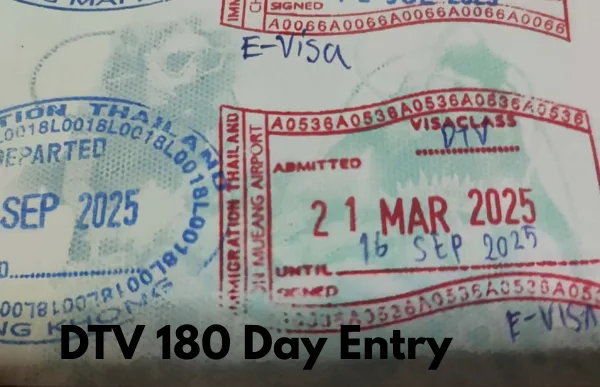
This matters enough to lead with: as of 2026, no major Thai bank has an official policy allowing DTV holders to open a standard savings account. The DTV is a genuine 5-year visa, but internally many bank compliance systems still classify it as a type of tourist visa, and in several cases the DTV literally isn't an option in the bank's visa-type dropdown. Bangkok Bank tightened its stance in January 2026 specifically, tourist and DTV holders are now turned away at most branches, with a long-term visa (Non-B, Non-O, ED, LTR, or retirement extension) required instead. [NEEDS VERIFICATION: policy in this space moves fast, confirm current status with the specific branch before making a trip]
Kasikorn has been reported as somewhat more flexible, and branches near coworking hubs and digital-nomad-heavy areas may have staff more used to DTV applications, but success varies branch to branch and isn't guaranteed. If you're on a DTV and need to move money day to day, Wise is a practical interim solution, it supports Thai QR payments and doesn't require the same visa-type gatekeeping as a domestic bank account.
Which Visa Types Work
Thai banks have historically required proof of a longer-term stay to open a personal account. The Retirement visa, Marriage visa, ED visa, Non-B (Business) visa, and LTR visa remain the reliable route, generally at least a year of visa validity or an established extension of stay is the baseline expectation. [NEEDS VERIFICATION: exact minimum validity period varies by bank, confirm directly with your target branch]
Some branches have opened accounts for tourist or DTV holders who can show a long-term accommodation booking or a supporting letter, but this is discretionary, not a guaranteed path. If your visa type is borderline, call ahead rather than showing up and hoping, and be prepared to try more than one branch if the first says no.
Which Bank to Choose
| Bank | Known For |
|---|---|
| Bangkok Bank | Longest track record with foreign customers, often the default recommendation among long-term expats. |
| Kasikorn (KBank) | Popular K PLUS mobile app, widely used for everyday transfers and QR payments. |
| Siam Commercial Bank (SCB) | Widely available branches, standard option for residents. |
| Krungsri (Bank of Ayudhya) | Another common option, occasionally used for foreigner accounts tied to specific employers or partnerships. |
[NEEDS VERIFICATION: this comparison reflects general reputation among the expat community, not an official bank policy comparison. Individual branch experience varies significantly, ask other expats which specific Chiang Mai branch they used successfully before choosing.]
Documents to Bring
- Passport with your current visa or entry stamp
- Proof of address, a rental agreement, a utility bill in your name, or confirmation of your TM30 registration
- Work permit, if you have one (not required for all visa types, but strengthens the application)
- A reference letter, occasionally requested, from an employer, school, or in some cases the immigration office
- Cash for the initial deposit, typically a modest amount, confirm the current minimum with your chosen branch
Bring photocopies of your passport data page and visa page in addition to the originals, most branches ask for both.
The Practical Steps
- Call ahead. Confirm the branch handles foreigner applications and ask what they need, rules and staff experience vary branch to branch even within the same bank.
- Go early. Account opening for foreigners takes longer than the standard process, arriving when the branch opens avoids a long wait mid-application.
- Bring a Thai speaker if possible. Not always necessary at busier branches, but it smooths the process considerably at smaller ones.
- Set up mobile banking immediately. Most banks issue the app access same-day, this is what you'll use for daily transfers, bill pay, and QR payments once set up.
Key Takeaways
Key Takeaways
- As of 2026, DTV holders face real friction, most major banks classify it as a tourist-type visa for account opening, Bangkok Bank tightened this specifically in January 2026.
- A genuine Non-Immigrant visa (retirement, marriage, ED, Non-B, LTR) makes account opening far more reliable than DTV or tourist status.
- Kasikorn has reportedly been more flexible with DTV applicants than Bangkok Bank, but this isn't guaranteed and varies by branch.
- DTV holders shut out of a Thai bank account can use Wise as a practical interim option for Thai QR payments.
- Bring your passport, proof of address, and photocopies of both, call the branch ahead to confirm their exact requirements, and be ready to try more than one branch.
Frequently Asked Questions
Can a foreigner open a bank account in Chiang Mai on a tourist visa?
It varies by bank and branch, and as of 2026 the DTV specifically is classified by most major banks as a tourist-type visa for this purpose, not a long-stay visa. Bangkok Bank tightened this in January 2026 and no longer opens accounts for DTV or tourist-visa holders at most branches. A genuine Non-Immigrant visa (retirement, marriage, ED, Non-B, LTR) remains the reliable path. Call ahead to the specific branch before visiting, and be prepared to try more than one.
Which bank is best for foreigners in Chiang Mai?
Bangkok Bank has the longest track record of working with foreign customers and is a common default recommendation. Kasikorn (KBank) is popular for its K PLUS mobile app. In practice the best bank is often whichever branch near you has staff experienced with foreign applications, ask other expats which branch they used successfully.
What documents do I need to open a Thai bank account?
Typically: passport with a valid visa or entry stamp, a work permit if you have one, and proof of address such as a rental agreement, a utility bill, or a letter from Thai Immigration confirming your TM30 registration. Requirements vary by bank and branch, so confirm the exact list before your appointment.
Guru Tip
Ask a Thai friend, your landlord, or a fellow expat which specific branch they used and whether the staff there were used to foreigner applications. Two branches of the same bank ten minutes apart can have completely different experience levels with this. A recommended branch beats a recommended bank name every time.